
- An
 9001:2015 Certified Company
 - +92-333-2504174
 Rahim.ceo

- Home
- About Us
- Sports Uniforms
- Sportswear
- Sporting Goods
- Contact
9001:2015 Certified Company Rahim.ceo 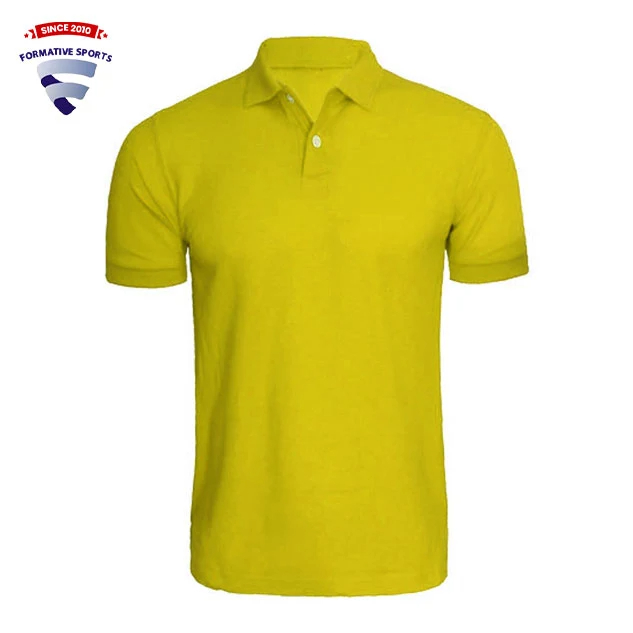
There is a reason some brands consistently deliver polo shirts that feel premium, hold their shape season after season and generate the kind of customer loyalty that others struggle to build. It is not always the design. It is not always the marketing. More often than not, it comes down to who is making the garment and what that relationship actually looks like behind the scenes. The best Polo Shirt Manufacturers are not simply executing orders, and producers like Formative Sports understand that established brands come to them not just for production capacity but for the technical knowledge and partnership that turns a good product into a great one. That distinction is what most newer brands have not figured out yet.
A polo shirt looks deceptively simple. Collar, placket, two or three buttons, short sleeves. How complicated can it be? As it turns out, quite significantly. The collar construction alone involves multiple layers, specific interfacing choices and a stitching sequence that determines whether the collar lies flat and holds its shape through repeated washing or curls and collapses within a few wears. The placket needs to sit straight without puckering. The sleeve attachment affects how the garment hangs on the shoulder and moves during wear. Fabric tension across the chest and back determines whether the shirt looks fitted and intentional or baggy and unresolved. Every one of these details requires genuine technical expertise to get right consistently across a bulk production run, not just on a single sample piece.
This is where experience creates a visible gap between brands that produce confidently and those that are constantly firefighting quality issues. Here is what brands with serious manufacturing experience consistently ask before placing any order:
Pique fabric is the standard for polo shirts, but pique is not a single thing. It varies in weight, in the tightness of the knit structure, in the blend of fibres used and in how it is finished after production. A heavier GSM pique feels more substantial and holds its shape better, but can feel less breathable in warm conditions. A lighter pique breathes well and feels comfortable in summer heat, but may lack the premium handfeel that positions a polo as a quality garment. Cotton-polyester blends affect everything from wrinkle resistance to moisture management to how well the fabric takes dye. T-shirt Manufacturers who also produce polos at a serious level understand these trade-offs deeply and can guide brands toward fabric specifications that match both the intended end use and the price point the brand is working within.
Anyone can produce an impressive sample. The question that actually matters for a brand placing serious orders is whether that sample quality is replicable across five hundred, two thousand or ten thousand units with the same consistency. Colour matching across different fabric rolls from the same dye lot is a known challenge in bulk production. Size accuracy across a full graded range requires precise pattern work and regular in-line checking during cutting and sewing. Custom Tshirts Manufacturers who have developed reliable bulk production systems bring documented processes to this challenge rather than relying on the skill and attention of individual workers on any given day. Those systems are what make consistent quality possible at scale rather than accidental.
The brands that consistently produce garments people love and return to are rarely the ones with the cleverest designs or the biggest marketing budgets. They are the ones who took the time to find a manufacturing partner who genuinely understood what they were trying to build, invested in that relationship properly and refused to cut corners on the production decisions that customers feel every time they put the garment on. That kind of commitment to the product is what builds the kind of brand reputation that competitors find genuinely difficult to replicate.