
- An
 9001:2015 Certified Company
 - +92-333-2504174
 Rahim.ceo

- Home
- About Us
- Sports Uniforms
- Sportswear
- Sporting Goods
- Contact
9001:2015 Certified Company Rahim.ceo 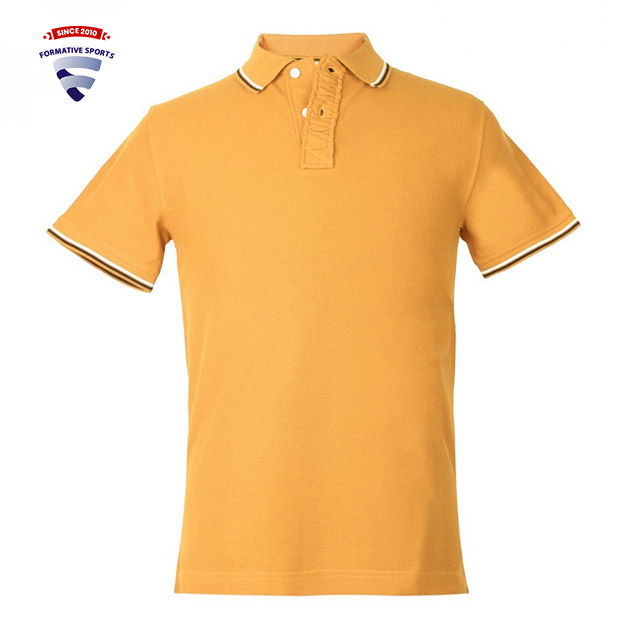
The high-profile performance of the sports professional has its image equally important as the performance on the field. From the sidelines to the press room, the attire worn by coaches, staff, and athletes during travel speaks volumes about a brand’s values. While global outsourcing has been the norm for decades, a shift is occurring in Formative Sports, one of the top Polo Shirt Manufacturers in USA. Professional leagues are increasingly recognising that prioritizing domestic manufacturers for their signature apparel, specifically the versatile polo shirt, is not just a matter of logistics but a strategic investment in quality, community, and sustainability.
The crews that build an event attract revenue that stays home and creates more jobs in specialised occupations to support a vital manufacturing sector. A link between a professional sports league and domestic producers can be an engine for local economic growth. For example, collaborating with Polo Shirt Manufacturers in Australia allows leagues to tap into a high-standard labor market, ensuring that the investment made by fans and sponsors circulates back into the national economy. This "home-grown" approach builds a narrative of mutual success between the sport and the citizens who support it, transforming a simple uniform contract into a significant contribution to the gross domestic product and local employment stability.
Key Economic Drivers
One of the most significant risks of overseas production is the lack of direct oversight, which can lead to inconsistencies in fabric weight or stitching durability. Domestic manufacturing removes this barrier by providing frequent audits by league representatives at the factory and conducting real-time quality checks. If a professional league collaborates with Polo Shirt Manufacturers in Japan, they benefit from a culture deeply rooted in precision and "Monozukuri" (the art of making things). Proximity thus ensures that every polo shirt, from the strength-reinforced collar to the advanced moisture-wicking weave, meets the stringent demands of a professional environment where inferior gear is never an option.
In professional sports, seasons may be unpredictable-a late surge in popularity for a team and mid-season rebranding can turn a league's world upside-down. Domestic manufacturers offer significantly shorter lead times compared to international counterparts, who must contend with transoceanic shipping and customs delays. Such flexibility will also enable leagues to go for smaller and more frequent orders and respond instantaneously to market tendencies. Whether it is a limited-edition playoff polo or a replenishment order for an away team, skipping through these global supply chain bottlenecks protects a league from being left with empty shelves or unwanted stock.
Benefits of Production Agility
Sustainability is no longer a luxury. It has now become a requirement for modern corporate social responsibility. By producing garments locally, leagues drastically reduce the carbon footprint associated with long-range logistics. Furthermore, domestic factories operate under the country’s specific labor laws and environmental regulations, providing a level of transparency that is difficult to guarantee abroad. Partnering with Polo Shirt Manufacturers in Brazil, for instance, can allow a league to capitalise on that region's growing expertise in sustainable textile sourcing and ethical labor practices. This alignment with modern values resonates deeply with a younger, more eco-conscious fan base that scrutinises the ethics behind the merchandise they purchase.
Prioritizing domestic polo shirt manufacturers is a multifaceted win for professional leagues. It bridges the gap between high-performance requirements and social responsibility, while simultaneously insulating the league from the volatility of global trade. By selecting local craftsmanship over the lowest possible price point, leagues secure a higher quality product, foster deeper community ties, and set a standard for excellence that extends far beyond the final score of a game. In practical terms, an approach to "domestic-first" is, therefore, more than about apparel-it's about building a legacy for integrity and stamina.